
motorless-treadmill2462
motorless-treadmill2462
16 Must-Follow Instagram Pages For Walking Treadmill Marketers
The Benefits and Insights of Using a Manual Walking Treadmill
In today’s hectic world, finding the time to remain active can be an obstacle. However, manual walking treadmills use a hassle-free service for people wanting to integrate more exercise into their daily routine. Unlike their motorized equivalents, manual treadmills count on the user’s effort to power the machine, offering an unique exercise experience that promotes engagement and self-motivation. This article will check out the operations, benefits, and considerations of using a manual walking treadmill, total with FAQs and a contrast table for prospective buyers.
Understanding Manual Walking Treadmills
Manual walking treadmills, as the name suggests, do not have a motor. Rather, they feature a streamlined platform where the user need to propel the belt by walking, jogging, or running. This style suggests that the machine moves only as fast as the user can stroll, guaranteeing a workout that is customizable to private physical fitness levels.
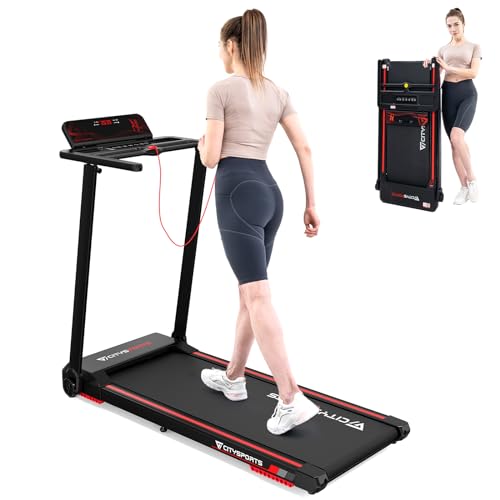
Key Features of Manual Walking Treadmills
- No Electricity Required: Since manual treadmills do not have motors, they can be utilized anywhere without requiring a power source.
- Compact and Lightweight: Many manual treadmills are designed to be retractable and easily portable, making them perfect for smaller sized areas.
- Cost-Effective: Generally, manual treadmills are more economical than motorized options, appealing to budget-conscious individuals.
- Low Impact: This devices can supply a lower effect on joints compared to running on more difficult surface areas.
- Manual Controls: Users have total control over their workout intensity and speed given that they dictate the speed and resistance.
Benefits of Using a Manual Walking Treadmill
The benefits of investing in a manual walking treadmill extend beyond standard exercise. Here are some important advantages to think about:
| Benefit | Description |
|---|---|
| Enhances Cardiovascular Fitness | Routine use boosts heart health and total health. |
| Boosts Caloric Burn | Users can burn more calories compared to standard treadmills since they put in more effort. |
| Improves Muscle Tone | Engaging more muscles helps tone legs, glutes, and core. |
| Promotes Better Posture | Walking on a manual treadmill motivates appropriate alignment as the user must maintain control. |
| Conserves Space | Most designs are compact and ideal for home use, fitting quickly into any corner. |
| Minimizes Risk of Injury | Lower impact on joints makes it more secure for senior citizens and people recuperating from injuries. |
Utilizing a Manual Walking Treadmill
Getting Started
- Warm-Up: Always start with a warm-up to prepare your muscles. This can be light extending or moseying for a few minutes.
- Change Settings: Some manual treadmills may feature adjustable slope settings. Start flat and gradually increase as you become comfortable.
- Keep a Steady Pace: Focus on preserving a consistent speed to construct endurance and boost efficiency.
- Engage Your Core: Keep your core engaged to improve stability and posture throughout your walking session.
- Cooldown: Finish your exercise with a cooldown period to help your heart rate return to normal.
Advised Workout Routine
| Period | Strength | Notes |
|---|---|---|
| 5 min | Warm-Up | Start at a slow rate |
| 20 min | Moderate | Stroll at a comfy speed |
| 5 min | High-Intensity | Boost speed for a short period |
| 10 minutes | Cool off | Gradually minimize speed to return to rest |
Typical Considerations
While manual walking treadmills have numerous benefits, there are likewise some drawbacks worth noting:
- Learning Curve: Users might require time to adapt to the manual performance, specifically if they’re used to motorized treadmills.
- Less Stability: The lack of a safety rail or assistance may worry novices or those with balance concerns.
- Restricted Functionality: Generally, manual treadmills provide less functions compared to motorized designs, such as pre-programmed exercises.
- Development Tracking: Some designs do not have sophisticated tracking features, like heart rate or range monitoring.
Often Asked Questions (FAQs)
1. Are manual treadmills appropriate for newbies?
Yes, they are best for novices. They allow people to control their pace and strength, making it much easier to reduce into a fitness regimen.
2. How do I preserve a manual treadmill?
Maintenance generally involves routine cleaning and looking for any loose parts or wear. Lubrication of the belt, if appropriate, is also necessary.
3. Can manual treadmills accommodate different physical fitness levels?
Absolutely! Depending on the user’s speed and effort, manual treadmills can deal with varying fitness levels, from walking to extreme running sessions.
4. Can I see TV or check out while using a manual treadmill?
While it is possible, it’s necessary to keep concentrate on your type to prevent injury. If you can stabilize it, light reading or watching TV is manageable.
5. How much space do I require for a manual treadmill?
A lot of manual treadmills are developed to be compact. However, it’s a great idea to enable some extra space around the system for safety and ease of motion.
Incorporating a manual walking treadmill into a fitness regimen can be a game-changer for people looking for convenience, affordability, and an adjustable exercise. While they may not include all the bells and whistles of motorized treadmills, their advantages– increased calorie burn, improved muscle tone, and flexibility– make them a worthwhile financial investment. By comprehending how to effectively use and maintain a manual walking treadmill, users can unlock countless health benefits, all from the convenience of their homes. Whether it’s for basic physical fitness or a targeted exercise program, a manual walking treadmill can help pave the way to a healthier way of life.