
kitchen-extractor-hood1715
kitchen-extractor-hood1715
How Can A Weekly Island Cooker Hood Project Can Change Your Life
Exploring the Benefits and Features of Island Cooker Hoods
In today’s modern kitchen, performance and style go hand-in-hand. Among the standout features that can raise the looks and efficiency of any kitchen is the island cooker hood. As kitchens continue to evolve into open-concept areas, the significance of effective ventilation has risen. This article digs into the various aspects of island cooker hoods, assisting house owners make informed choices about this vital home appliance.
What is an Island Cooker Hood?
An island cooker hood, likewise known as a ceiling-mounted range hood, is specifically developed to be installed above an island or a cooking surface that is not surrounding to a wall. Unlike standard wall-mounted hoods, island hoods offer unblocked ventilation and produce a focal point in the kitchen, marrying form and function.
Advantages of Island Cooker Hoods
1. Improved Airflow
Island cooker hoods are crafted for ideal air circulation. They successfully eliminate smoke, steam, and odors created while cooking, guaranteeing a fresh and enjoyable cooking environment.
2. Aesthetic Appeal
With numerous styles, surfaces, and sizes offered, these hoods can significantly enhance the visual beauty of a kitchen. They function as a focal point, often matching the general style of the space.
3. Increased Cooking Space
By eliminating the need for wall area, island cooker hoods enable for higher flexibility in kitchen style. This can facilitate a smooth cooking experience, especially in homes where multiple chefs may be present.
4. Adaptability
Island cookers are readily available in a vast array of styles and performances, from modern stainless-steel to vintage-inspired styles. Lots of designs come geared up with additional features like lighting and variable fan speeds for modification based upon cooking needs.
Types of Island Cooker Hoods
When picking an island cooker hood, it’s important to think about the various types readily available. Here is a comprehensive table to highlight the numerous choices:
| Type of Island Cooker Hood | Description | Pros | Cons |
|---|---|---|---|
| Ducted | Uses external ducting to expel air exterior. | Efficient odour and smoke removal. | Greater installation expense. |
| Ductless | Filters air and recirculates it back into the kitchen. | Much easier to set up. | Might not be as reliable for heavy cooking. |
| Convertible | Can be altered from ducted to ductless and vice versa. | Flexible setup alternatives. | Requires extra elements. |
| Wall-Mounted | Mounted on a wall, however still available as an island option. | Can conserve area. | Limited to particular kitchen layouts. |
| Integrated | Constructed into the cabinets for a seamless appearance. | Minimalist style appeal. | Might have lower performance. |
Selecting the Right Island Cooker Hood
Picking the perfect island cooker hood for a kitchen involves considering several aspects. Here are some crucial guidelines to assist property owners:
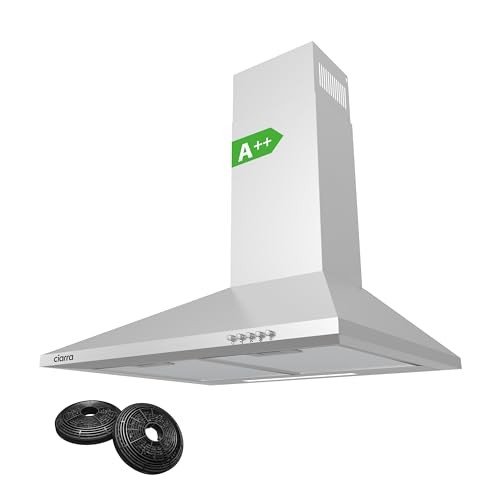
-
Size: The hood must be at least as wide as the cooktop listed below it, ideally extending a couple of inches beyond the edges. Standards suggest 24 inches of hood width for a standard 30-inch cooktop.
-
Suction Power: Measured in cubic feet per minute (CFM), the hood’s power ought to line up with the cooking frequency and techniques utilized. For much heavier cooking, a CFM of 600 or more is suggested.
-
Design: Consider the kitchen style and products. The hood needs to complement existing components for a cohesive look.
-
Noise Level: Look for hoods with lower sones (a procedure of noise) for quieter operation, especially for those who prepare frequently.
-
Filters: Choose between baffle, mesh, or charcoal filters depending on ducted or ductless setups. Baffle filters tend to be more durable and effective for heavy cooking.
Frequently Asked Question About Island Cooker Hoods
Q1: How do I clean my island cooker hood?A: Cleaning depends on the type of filters utilized. The majority of baffle filters can be cleaned in a dishwasher, while mesh filters require to be soaked in soapy water. Routine cleaning(each month)is suggested to maintain performance. Q2: Can an island cooker hood be installed in
a lower ceiling?A: Yes, however it’s vital to select a more compact design to prevent
obstructing sight lines. The hood ought to be installed a minimum of 30-36 inches above the cooking surface for safety and performance. Q3: Are all island cooker hoods loud?A: No, producers have actually made developments in sound dampening technology. Hoods vary in sound levels, so it’s vital to
check the specs before purchasing. Q4: How frequently ought to I replace the filters?A: The frequency of filter replacement differs based upon usage. Charcoal filters normally require replacing every 3-6 months,
while metal filters can last several years if effectively cleaned up. Q5: Do island cooker hoods require professional installation?A: While DIY setup is possible for some models, expert setup is suggested to ensure appropriate fitting and ventilation, particularly for ducted systems. In
conclusion, island cooker hoods are a trendy and practical option to maintaining a fresh cooking environment in open-concept kitchens. Their wide range of designs, integrated with effective performance, makes them a desirable option for homeowners. By considering the different factors such as size, suction power, and aesthetic appeals, people can find the ideal match for their space, ultimately boosting both the kitchen’s appearance and its functional performance. Buying a premium island cooker hood will not just improve the cooking experience however also add considerable worth to the kitchen’s total appeal. As kitchens continue to serve as the heart of the home, correct ventilation stays a leading concern.