
cooker-hood5786
cooker-hood5786
5 Killer Quora Answers On Chimney Hoods
The Essential Guide to Chimney Hoods: Function, Styles, and Maintenance
When it comes to kitchen style, the chimney hood frequently goes undetected, yet it holds an essential function in keeping air quality and adding attract the cooking area. This thorough guide dives deep into chimney hoods, exploring their types, advantages, and maintenance pointers to assist property owners make notified decisions regarding this essential kitchen part.
What is a Chimney Hood?
A chimney hood, typically described as a range hood or extractor hood, is a device placed above a cooking range or stove. Its main function is to ventilate the kitchen by recording smoke, steam, heat, and cooking smells. This is accomplished by utilizing a fan that distributes air through filters, which either exhaust damaging contaminants outside or recirculate cleaned up air back into the kitchen.
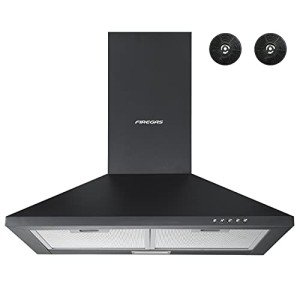
Advantages of Chimney Hoods
Chimney hoods not just serve practical functions but also enhance the looks of the kitchen. Here are some key advantages:
| Benefit | Description |
|---|---|
| Improved Air Quality | By successfully getting rid of smoke and smells, chimney hoods contribute to a fresher kitchen environment. |
| Lowering Heat | They assist keep a comfy cooking temperature, preventing excess heat accumulation. |
| Visual Appeal | Readily available in a variety of designs and surfaces, chimney hoods can boost the kitchen’s general style. |
| Security | By eliminating smoke and steam, chimney hoods reduce the danger of kitchen accidents, such as slips due to water condensation. |
| Irritant Removal | They help in removing allergens and particulates from the air, adding to a much healthier area. |
Kinds Of Chimney Hoods
Chimney hoods can be found in numerous designs, each matched for different kitchen styles and designs. Here’s a breakdown of popular types:
| Type | Description | Pros | Cons |
|---|---|---|---|
| Wall-Mounted | Installed directly on the wall above the stove, these hoods are the most common in kitchen styles. | Space-saving; versatile in style. | May need structural support sometimes. |
| Island | Suspended above an island cooktop, these hoods act as a focal point for open-concept kitchens. | Trendy centerpiece; exceptional ventilation. | Installation can be complicated and costly. |
| Under-Cabinet | Fitted beneath a cabinet, these hoods are less aesthetically invasive. | Compact and economical; range of styles. | May decrease cabinet area and limitation exposure. |
| Built-In | Integrated into cabinetry or designed to be entirely undetectable, these hoods lend streamlined aesthetic appeals. | Seamless appearance; personalized alternatives. | Typically more expensive; complicated installation. |
| Downdraft | These retractable hoods emerge from the counter top when required, appropriate for modern kitchens. | Space-saving; minimalistic appeal. | Less reliable than standard hoods. |
Selecting the Right Chimney Hood
When selecting a chimney hood, think about the following aspects to ensure optimum functionality and style:
-
Size: The width of the hood must match or exceed the width of the cooking range or stove. A general guideline is to have a hood that is at least 3 inches wider than the cooktop.
-
CFM Rating: The Cubic Feet per Minute (CFM) score suggests the airflow capability. For typical home cooking, objective for 300 CFM for electrical varieties and 600 CFM for gas ranges.
-
Ducted vs. Ductless: Ducted hoods vent air outside, while ductless models filter and recirculate air. Determine which choice works best for your kitchen layout.
-
Style and Finish: Match the hood’s style to your kitchen design. Stainless steel is popular for modern kitchens, while copper or painted surfaces enhance traditional styles.
-
Sound Levels: Most hoods produce some sound; examine the sones score, which measures noise on a scale where a lower number equates to quieter operation.
Upkeep Tips for Chimney Hoods
To keep your chimney hood functioning successfully, routine upkeep is vital. Here are some maintenance tips to follow:
-
Clean Filters: Remove and clean the grease filters monthly using warm soapy water or a dishwasher, if safe. Change filters according to maker recommendations.
-
Wipe Down Surfaces: Daily or weekly, utilize a soft fabric and mild cleaning agent to clean down the exterior surface areas to prevent grease accumulation.
-
Check the Ventilation System: Regularly examine the ducts for any blockages or built up grease. Guarantee that exhaust ducts are clear to maintain ideal airflow.
-
Change Light Bulbs: If your chimney hood has integrated lighting, ensure bulbs are working properly and change them as needed for safety.
-
Expert Servicing: Schedule yearly professional cleansing and servicing to guarantee that the system runs smoothly. This can help capture any mechanical concerns before they become significant issues.
FAQs about Chimney Hoods
Q: What’s the perfect height for setting up a chimney hood above a cooking range?
A: The basic height range for wall-mounted chimney hoods is 24 to 30 inches above electric ranges and 30 to 36 inches above gas varieties for optimal performance and safety.
Q: How typically should I change the filters in a chimney hood?
A: Mesh grease filters can usually last a number of years, while activated charcoal filters in ductless designs should be replaced every 6 months to a year, depending upon use.
Q: Can I set up a chimney hood myself?
A: While it’s possible to DIY the installation, expert installation is suggested to ensure appropriate fitting, especially for ducted designs which need accurate ductwork.
Q: Do chimney hoods need to be vented outside?
A: Not always. Ductless hoods filter and recirculate air, but ducted hoods, which vent air exterior, are usually more efficient in eliminating smoke and odors.
Q: How can I decrease sound from my chimney hood?
A: Look for hoods with lower sones ratings and consider sound-dampening functions. Likewise, make sure proper installation to minimize vibrations and sound from the hood.
Chimney hoods are important to any modern kitchen, providing effective ventilation while including a stylistic touch. Understanding the different types, features, and maintenance requirements can help homeowners pick the perfect chimney hood that fulfills their cooking needs and matches their kitchen style. By following suggested maintenance practices, you can ensure your chimney hood stays a possession in your house for several years to come.