
double-bevel-miter-saw1302
double-bevel-miter-saw1302
What’s The Current Job Market For Mitre Chop Saw Professionals?
Understanding the Mitre Chop Saw: Essential Tool for Precision Cutting
A mitre chop saw, frequently described as a miter saw or chop saw, is a flexible power tool widely used in woodworking, metalworking, and even in building. This robust and precise cutting tool allows the user to make accurate crosscuts and angled cuts. Whether for framing, cabinets, or other tasks, mastering using a mitre chop saw is vital for any tradesperson or DIY enthusiast.
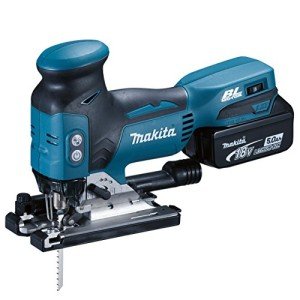
In this article, we will explore the functions, types, advantages, and Best Miter Saw practices for using a mitre chop saw. In addition, we will respond to regularly asked questions to help demystify this powerful tool.
What is a Mitre Chop Saw?
A mitre chop saw is designed particularly for making angled cuts. It operates on the principle of a rotating blade that cuts through material when lowered onto the workpiece. The essential function that distinguishes a mitre Mitring Saw from other cutting tools is its ability to pivot left or right to create mitered angles, along with its capability for bevel cuts.
Key Features of a Mitre Chop Saw
| Function | Description |
|---|---|
| Blade Size | Common sizes include 10 inches, 12 inches, and 7-1/4 inches. |
| Miter Angle Range | Usually ± 45 degrees, essential for creating angled cuts. |
| Bevel Angle | Some models allow bevel cuts up to 45 degrees in one or both directions. |
| Laser Guide | A laser guide can help enhance precision when aligning the cut. |
| Dust Collection | Integrated systems to decrease dust accumulation and improve work area tidiness. |
| Base | A tough base guarantees stability throughout cutting. |
Kinds Of Mitre Chop Saws
Not all Mitre Compound Saw chop saws are produced equivalent. Here, we break down the 3 main types:
-
Standard Miter Saw: This is the a lot of basic type, meant primarily for crosscuts and miter cuts. It normally features a set arm that comes down vertically.
-
Compound Miter Saw: This type enables for both miter and bevel cuts, making it perfect for detailed designs and frames. The blade can tilt to produce angled or beveled cuts, providing greater versatility.
-
Sliding Compound Miter Saw: The most sophisticated version, this saw features a sliding mechanism that permits the blade to return and forth. This increases the cutting capability, allowing larger pieces of product to be cut with precision.
| Type | Advantages | Best Mitre Saws Use Cases |
|---|---|---|
| Requirement Miter Saw | Simplicity and ease of use | Fundamental cuts like crosscuts and basic frames |
| Compound Miter Saw | Flexibility for diagonal cuts | Crown molding, angled cuts, and furniture-making |
| Sliding Compound Miter Saw | Optimum cutting capacity | Big materials, complicated joint angles, and framing |
Advantages of Using a Mitre Chop Saw
Precision and Accuracy
Mitre chop saws stand out in delivering precise cuts. The ability to set specific angles guarantees that joints fit together effortlessly. This is particularly crucial for intricate pieces like moldings and cabinets, where imperfections can considerably affect the end product’s appearance.
Performance
Operating a chop saw is quicker than manual cutting tools. It greatly decreases the time needed for making accurate cuts, particularly when dealing with repetitive jobs.
Versatility
With different blade types and attachments available, a mitre chop saw can deal with a substantial variety of products, consisting of wood, metal, and plastics. This adaptability makes it a staple in lots of workshops.
Safety Features
Modern mitre chop saws come geared up with security features like blade guards, electric brakes, and laser guides, making them much safer to operate than numerous other power tools.
Best Practices for Operating a Mitre Chop Saw
-
Check out the Manual: Always describe the maker’s standards for operation, maintenance, and safety.
-
Examine Blade Condition: Ensure your blade is clean and sharp. Dull blades can lead to unreliable cuts and make the tool more prone to kickback.
-
Secure Your Workpiece: Use clamps or supports to hold your product steady during cutting. This improves safety and accuracy.
-
Use Personal Protective Equipment (PPE): Safety goggles, hearing security, and dust masks should be used to protect versus debris and sound.
-
Cut Slowly and Steadily: Allow the saw to cut through the material without forcing it. This promotes precision and helps the tool preserve control.
Often Asked Questions (FAQ)
1. Can a mitre chop saw cut metal?
Yes, with the proper blade developed for cutting metal, a mitre chop saw can successfully cut through different types of metal.
2. What is the distinction between a miter saw and a chop saw?
While both tools are used for cutting, a chop saw generally describes a stationary saw that makes straight cuts, usually in metal. A miter saw is developed for making angled cuts and is more flexible.
3. How do I preserve my mitre chop saw?
Routinely tidy the blade, check for wear and change if necessary, ensure all bolts and screws are tightened, and store the saw in a dry place when not in use.
4. Can I utilize a mitre saw to make straight cuts?
While it is possible, utilizing a table saw or circular saw is usually more efficient for long straight cuts.
5. Is it necessary to utilize a laser guide?
While a laser guide enhances accuracy, it isn’t strictly required for all users. Experienced users might prefer to depend on their intuition and experience without one.
A mitre chop saw is an important tool that offers precision, speed, and flexibility in cutting jobs. By comprehending its features and types, in addition to adhering to best practices and security preventative measures, users can substantially boost their woodworking and building tasks. Whether one is looking to develop furniture, frame a house, or carry out comprehensive carpentry, the mitre chop saw holds the essential to accomplishing Professional Mitre Saw-quality results.
Investing time in finding out the ins and outs of this powerful tool will unquestionably settle in both the quality of the work and the complete satisfaction of the artisan.