
repair-shop-door-handle9914
repair-shop-door-handle9914
12 Facts About Professional Door Handle Repair That Will Get You Thinking About The Cooler Water Cooler
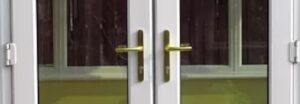
Professional Door Handle Repair: Keeping Your Home Secure and Functional
When it comes to home security and benefit, the value of an appropriately operating door handle can not be overemphasized. A malfunctioning door handle can not only be frustrating however can also position a security risk, making it necessary to deal with any problems without delay. In this blog site post, we will explore the ins and outs of professional door handle repair, including common issues, repair techniques, and when to contact the experts.
Understanding Door Handle Mechanics
Before diving into repair approaches, it’s important to understand the basic mechanics of door handles. Door handles come in numerous types, including:

| Type of Handle | Description | Common Issues |
|---|---|---|
| Lever Handles | Lever-style handles that are easy to operate, often found in residential settings. | Loose screws, misalignment, or broken springs. |
| Knob Handles | Round knobs that require a twist to open. | Stiff operation, broken lock mechanisms. |
| Deadbolts | A safe and secure locking mechanism that typically accompanies a door handle. | Key sticking, misalignment with the strike plate. |
| Electronic Locks | Keypad or wise locks that need codes or smart device gain access to. | Battery failure, electronic breakdown. |
Typical Issues with Door Handles
Determining the problem is the primary step toward reliable door handle repair. Here are some typical issues come across with door handles:
-
Loose Handles: Over time, door handles can end up being loose due to routine usage. This can result in problem opening or closing the door.
-
Stiff Operation: If your door handle mechanic handle is stiff or requires extreme force to operate, it may suggest internal wear or absence of lubrication.
-
Misalignment: A misaligned handle can cause issues with the latch and deadbolt, making it tough to secure the door handle hardware repair.
-
Broken Components: Components such as springs, screws, or the handle itself can break or wear out, demanding repair or replacement.
Do It Yourself Repair Techniques
While some door handle problems can be addressed individually, others need a professional touch. Here are a few basic DIY repair strategies for common issues:
1. Tightening Loose Handles
Tools Needed: Screwdriver
- Recognize the type of screws utilized on your door handle (Phillips or flathead).
- Utilize the suitable screwdriver to tighten up the screws on the handle.
- Look for any wobbling or looseness and repeat as required.
2. Lubricating Stiff Handles
Tools Needed: Lubricant (silicone spray or graphite powder), a rag
- Apply lubricant to the moving parts of the handle.
- Clean away any excess to avoid a sticky residue.
- Evaluate the handle’s operation to guarantee it moves smoothly.
3. Realigning Misaligned Handles
Tools Needed: Screwdriver, hammer (if required)
- Examine the alignment of the handle and latch.
- Loosen up the screws somewhat however do not remove them completely.
- Change the handle until it aligns correctly with the latch or strike plate.
- Tighten the screws once positioning is achieved.
When to Call for Professional Help
While many door handle issues can be fixed with DIY approaches, specific scenarios call for professional assistance. Think about getting in touch with a professional if:
- The handle is broken beyond easy repair broken door handle.
- Internal systems are harmed and need replacement.
- The door is misaligned, affecting more than just the handle.
- You are uncertain of the repair procedure or lack the necessary tools.
Advantages of Professional Repair
| Advantage | Description |
|---|---|
| Proficiency | Experts have the knowledge to identify and fix problems accurately. |
| Time-saving | Hiring a pro can save time and lessen aggravation. |
| Quality control | Professional repairs typically include warranties or assurances. |
| Comprehensive Service | Experts can identify underlying issues that might not be right away evident. |
FAQs About Door Handle Repair
Q1: How typically should I preserve or inspect my door handles?
A1: It’s a good idea to inspect your door handle repair cost handles a minimum of once a year, especially for signs of wear and tear.
Q2: Can I replace my door handle myself?
A2: Yes, numerous door handles come with guidelines for replacement, but if you’re unpredictable, it’s much better to consult a professional.
Q3: What type of lube is best for door handles?
A3: Silicone spray or graphite powder is suggested as they do not bring in dust and debris.
Q4: How can I tell if my door handle needs to be changed instead of repaired?
A4: If the handle is substantially damaged, has broken parts, or if repairs do not resolve the concerns, replacement may be required.
Q5: Is it expensive to work with a professional for door handle repair?
A5: The cost of employing a professional can differ based upon the intricacy of the issue and local labor rates, however it is typically a beneficial investment for the quality of work.
In conclusion, a working door handle is important for both security and benefit. While numerous issues can be resolved through basic DIY methods, understanding when to hire professionals can save time and ensure that your home stays safe and protected. Whether it’s tightening up screws, lubricating systems, or seeking specialist assistance, taking proactive steps for door handle maintenance can cause a seamless and functional home experience.