undetectable-counterfeit-money4048
undetectable-counterfeit-money4048
9 . What Your Parents Taught You About Fake Money That Looks Real
Fake Money That Looks Real: Understanding Counterfeit Currency
In a significantly digital world, physical cash continues to play a significant function in daily deals. Nevertheless, the proliferation of counterfeit currency presents a major problem for individuals and businesses alike. With advancements in innovation, fake money has become remarkably advanced, often making it challenging to compare genuine notes and fakes. In this blog site post, we will check out the world of fake money that looks real, covering its implications, detection methods, prevalence, and legal effects.
Table of Contents
- The Evolution of Counterfeit Currency
- Why Counterfeit Money is Created
- How to Identify Fake Currency
- 3.1 Security Features
- 3.2 Tools for Detection
- Quantity and Prevalence of Counterfeit Currency
- Legal Implications of Counterfeit Currency
- Often Asked Questions (FAQs)
- Conclusion
The Evolution of Counterfeit Currency
Counterfeit currency has actually belonged of human civilization for centuries. From ancient coins to contemporary paper money, the efforts to reproduce currency have developed dramatically. At first, counterfeiting was fundamental, including physical alterations to existing notes. With the development of advanced printing methods and digital tools, counterfeiters have attained a level of quality that makes fake money almost identical from the real thing.
Why Counterfeit Money is Created
Counterfeiting is primarily driven by economic gain. Wrongdoers engage in this illegal activity for different reasons, including:
- Financial Gain: The most simple intention, where counterfeiters intend to benefit financially without the effort of genuine work.
- Collapse of Economies: During periods of run-away inflation or financial distress, fake money might flow to make use of the regional population.
- Creative Expression: Some counterfeit notes are developed as art pieces, although they frequently cross legal borders.
How to Identify Fake Currency
Determining counterfeit money needs a keen eye and an understanding of the security features ingrained in legitimate banknotes. Below are lists of typical security functions and tools for detection.
3.1 Security Features
The majority of legitimate banknotes include a series of security functions created to avoid counterfeiting. These consist of:
| Feature | Description |
|---|---|
| Watermark | A recognizable image embedded into the paper, visible when held up to the light. |
| Security Thread | A thin strip of metallic thread woven into the paper, visible from both sides. |
| Color-Shifting Ink | Ink that changes color when seen from various angles. |
| Microprinting | Tiny text printed in specific locations that are hard to replicate accurately. |
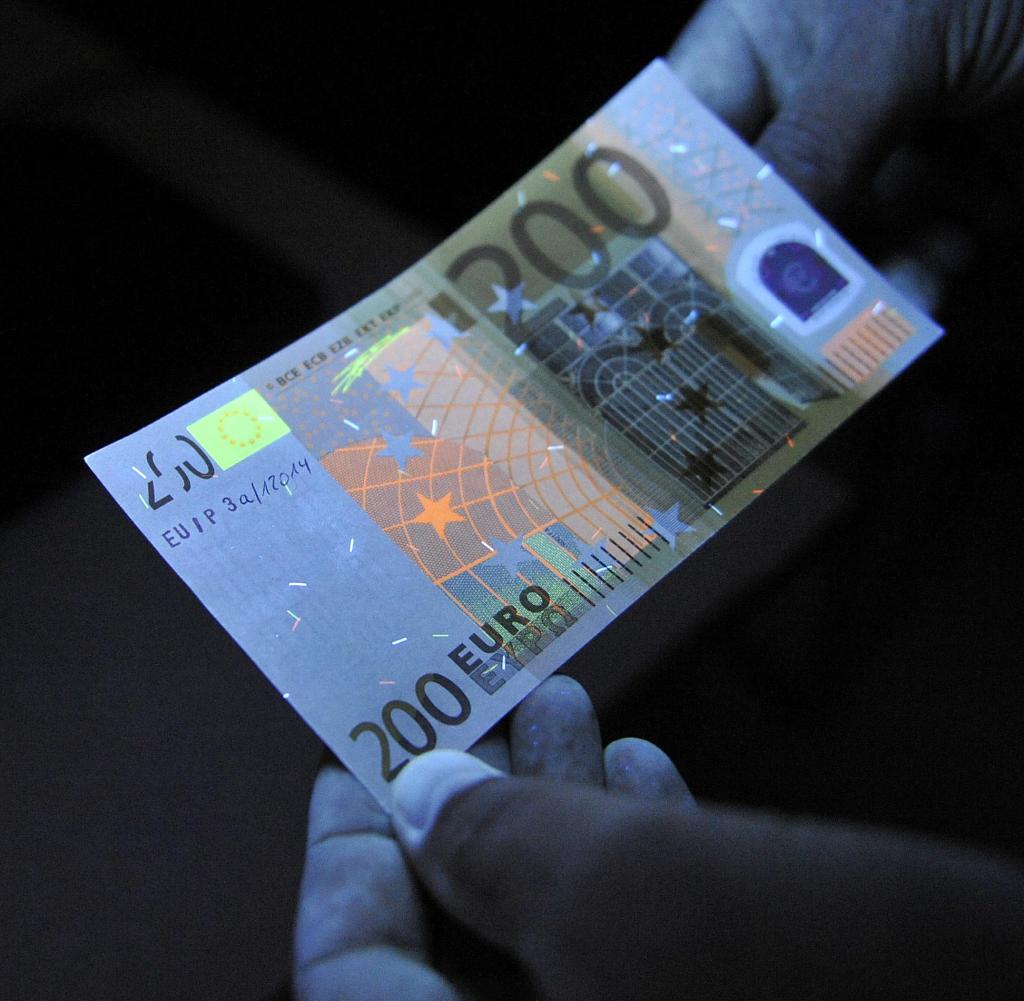
| UV Features | Components that are just visible when lit up with UV light. |
| Raised Printing | Some locations of the note have a texture that can be felt when touched. |
3.2 Tools for Detection
Besides examining the security includes listed above, numerous tools are offered that can help identify counterfeit currency:
- UV Light: A high-powered UV light can reveal security features concealed to the naked eye.
- Amplifying Glass: This can help analyze microprinting and other subtle details.
- Currency Detector Pens: These pens can test for the presence of particular chemicals utilized in genuine banknotes.
Quantity and Prevalence of Counterfeit Currency
Counterfeit currency continues to be an international problem. According to the Federal Reserve, the quantity of counterfeit U.S. currency in flow is roughly 0.01% of the overall currency. While this might seem minimal, it represents millions of dollars. Counterfeiting is especially more prevalent in some regions and during financially unstable times. The following table summarizes the worldwide counterfeit trends:
| Region | Approximated Counterfeit Rate (%) | Popular Counterfeit Notes |
|---|---|---|
| The United States and Canada | 0.01 | ₤ 20, ₤ 100 |
| Europe | 0.02 | EUR20, ₤ 20 |
| Asia | 0.03 | ¥ 1000, ₤ 1 |
| Africa | 0.05 | Different regional currencies |
Legal Implications of Counterfeit Currency
The legal consequences of counterfeiting can be severe. Laws regarding the production, circulation, and ownership of counterfeit currency differ by nation, however common charges consist of:
- Fines: Heavy monetary charges depending upon the quantity involved.
- Jail Time: Offenders may face lengthy prison sentences, typically ranging from 5 to 20 years.
- Restitution: Offenders might be needed to pay restitution to those hurt by their actions.
Frequently Asked Questions (FAQs)
1. Is it prohibited to possess counterfeit currency?Yes, possessing counterfeit currency is illegal in the majority of jurisdictions. It can result in criminal charges, even if you were unaware that the money was fake. 2. How can services protect themselves from
counterfeit bills?Businesses can purchase counterfeit detection systems, train employees
on recognizing counterfeit functions, and stay notified about widespread frauds. 3. What should I do if I receive counterfeit money?If you get counterfeit money, do not attempt to spend it. Rather, report it to local law enforcement and the appropriate monetary institutions. 4. Why is counterfeit money still a problem today?Counterfeit money remains a problem due to constant technological advancements that allow crooks to produce significantly sophisticated fakes, in addition to
the ongoing demand for cash deals. 5. Can I get reimbursed for counterfeit money?Generally, banks do not repay individuals for counterfeit money, as it is considered the holder’s duty to inspect the credibility of currency. As counterfeit currency becomes
increasingly deceptive, awareness and education end up being critical. Understanding the different security functions and utilizing detection tools can secure individuals and companies alike from falling
victim to counterfeiters. The legal ramifications of counterfeiting highlight the severity of the criminal offense and the need for vigilance in transactions involving cash. By remaining informed, we can work together to reduce the effect of fake money that looks real.